




If you’ve ever stepped into a paper converting facility, you know paper cores are the unsung backbone of nearly every roll-based product—from toilet paper and aluminum foil to industrial films and fabric. But anyone shopping for paper core machinery will eventually hit a critical question: What’s the maximum diameter of paper cores a paper core machine can actually produce? As a supplier who’s worked directly with mill operators, converters, and small business owners for years, I’ve fielded this question hundreds of times, and the answer isn’t one-size-fits-all. It depends on the machine model, design intent, and the unique needs of your operation—let’s break it down in plain, practical terms, no overly technical jargon.
First, let’s start with the basics: a paper core machine’s maximum core diameter is defined as the outer diameter of the finished hollow cardboard tube, measured from one outer edge of the wall to the opposite, including the paper thickness of the core itself. Most standard industrial paper cores fall between 1 inch and 12 inches in outer diameter, but I’ve helped customers build cores as small as 1/8 inch for specialty applications and as large as 36 inches for heavy-duty industrial film rolls. The key variable here isn’t the core itself—it’s the cutting machine, since the cutting step is what shapes the raw core logs into precise, sized tubes. That’s why when we talk about maximum diameter, we’re almost always talking about paper core cutting machines, which process the continuous core logs extruded or wound on core making lines.
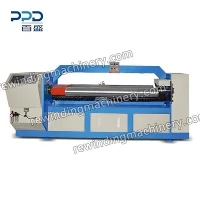
Not all cutting machines are built the same, and that’s where the maximum diameter limit changes. Let’s go over the most common models we provide and their typical maximum capacities, since this is what our customers ask about most. Our manual paper core cutting machine, for example, is built for small-batch operations, hobbyists, or startup businesses testing core-based products. It’s lightweight, easy to operate with minimal training, and its core mandrels (the rods that hold the core log steady while cutting) are sized for smaller diameters—usually up to 8 inches. It’s perfect for making cores for wrapping paper or small craft rolls, and many customers who run on a tight budget or limited space start with this model before scaling up. If you’re just getting your feet wet and don’t need high-volume output, this is a solid, reliable option.
As operations grow and volume increases, we recommend moving to a 2 shaft paper core cutting machine. This model doubles down on efficiency by using two rotating mandrels instead of one, so you can load a new core log on one shaft while the other is being cut, cutting downtime in half. The design of this machine lets it handle larger diameters than manual models—most 2 shaft machines we supply have a maximum core diameter of 12 inches, which covers 90% of the standard industrial core needs we see. That’s the size you’ll find for toilet paper, paper towels, adhesive tape, and most consumer packaging rolls. It’s versatile enough for both small and mid-sized operations, and the dual shaft design means you can run multiple core sizes in a single job without fully reconfiguring the machine, which is a big time saver.
For customers that need even bigger cores, we have the multi-knife paper core cutting machine, which is built for high-volume industrial use. This model comes with multiple cutting blades aligned along the mandrel, so you can cut several core lengths at once, and its heavy-duty frame and reinforced mandrels are designed to support much larger diameter core logs. The maximum diameter here jumps to 24 inches for most standard configurations, and we can custom-engineer mandrels to go even larger if a customer has a specific heavy-duty application, like cores for industrial fabric rolls or large printing press cylinders. The multi-knife design also cuts down on labor costs, since it requires fewer operators to run, making it a top choice for large converting facilities that run 24/7 shifts.
Wait, but what about specialty cores? That’s where our paper straws machine comes into play. If you’re looking to make paper cores designed for edible paper straws (a fast-growing market for eco-friendly disposable products), the maximum diameter is much smaller—usually between 0.2 inches and 0.5 inches. That’s a specialized application, so the cutting machine for straw cores is tuned for tiny, precise cuts, which makes sense. It’s a good reminder that maximum diameter isn’t just a number—it’s tied to what you’re using the core for, and matching the machine to the application is key.
Now, let’s talk about the factors that can push a machine’s maximum diameter beyond these standard numbers, or create limitations. First, mandrel size: the mandrel is the core’s internal backbone, so if it’s too small in diameter, it can’t support a large core log without warping or wobbling during cutting. That’s why all our machines are sized with mandrels that match the maximum diameter we advertise—no cutting corners on the mandrel material, which is usually high-grade steel to withstand heavy loads. Second, machine power and motor strength: cutting a large, thick core log requires more torque and blade power than a small one, so undersized motors will struggle to handle maximum diameter runs, leading to uneven cuts or machine damage. Third, operator skill and setup: even a high-capacity machine won’t hit its maximum diameter if it’s not set up correctly. For example, adjusting the blade gap to match the core’s wall thickness, aligning the mandrel perfectly, and using the right cutting speed all play a role in getting accurate, consistent cores at the upper end of the machine’s capacity.
I’ve seen customers make mistakes here, and I want to pass that lesson on. Early in my time as a supplier, we had a customer who bought a 2 shaft machine thinking they could push it to cut 18-inch diameter cores, which was way beyond its designed limit. The machine’s mandrel couldn’t support that size, so the core logs warped during cutting, and the blades damaged the machine’s frame. We had to do a full retrofitting with reinforced parts, and it cost them more than if they’d just bought the multi-knife machine for that application. That’s why it’s critical to be honest about your maximum needed diameter when shopping for a machine—don’t aim for a higher capacity than you need, but also don’t underbuy if you plan to scale up within a year or two. For example, if you think you might need 12-inch cores in 18 months, buying a small paper core cutting machine now and upgrading later might work, but if you already have orders for 18-inch cores, you’ll want to go straight to the multi-knife model with custom mandrels.
Another common question: can you make a smaller diameter core than the machine’s maximum? Absolutely. All our machines are adjustable, so you can set the mandrel and blades to cut cores as small as 1/8 inch, regardless of the maximum diameter. That’s why so many customers value the flexibility of our 2 shaft machines—they can make small cores for craft tape one week and 10-inch cores for food packaging the next, without needing separate equipment. The small paper core cutting machine is a great option if you only make small diameters, but if you might need to scale up, starting with a mid-sized machine that has adjustable settings is smarter.


So, to wrap this up for anyone wondering about paper core machine maximum diameter: there’s no universal answer, but based on standard models and industry needs, here’s a quick reference guide:
- Manual paper core cutting machine: Max diameter up to 8 inches (perfect for small batches, hobby use)
- 2 shaft paper core cutting machine: Max diameter up to 12 inches (ideal for most mid-sized operations)
- Multi-knife paper core cutting machine: Max diameter up to 24 inches (for large industrial high-volume runs)
- Paper straws machine: Max diameter around 0.5 inches (specialty eco-core applications)
And remember, if you have a unique need—whether you need cores larger than 24 inches for heavy industrial use, or a specialty small diameter machine for a new product line—we can custom-design a solution for you. The best way to confirm the maximum diameter for your specific operation is to talk through your needs with our team, not just look at the advertised specs. We’ve worked with hundreds of customers from all sectors, and we can help you pick a machine that fits your current production and your future growth plans.
If you’re ready to take the next step—whether you’re replacing old equipment, scaling your business, or launching a new eco-friendly product line like paper straws—our team is here to help you find the right paper core machine. Contact us to discuss your maximum diameter requirements, production volume, and any unique needs you have, so we can recommend the perfect model and answer all your questions. Don’t guess at the right machine—work with a supplier who understands the ins and outs of core manufacturing, and who will help you make a decision that works for your business long-term.
References
- Paper Converting Machine Company. (2022). Core Cutting Equipment Specifications and Capacity Guidelines. Retrieved from industry technical manuals
- European Paper and Board Converters Association. (2021). Standard Sizes and Design Specifications for Industrial Paper Cores. Retrieved from industry publications
- International Organization for Standardization. (2019). ISO 12641:2019 - Paper Converting Machinery: Safety and Capacity Requirements for Core Cutting Equipment. Retrieved from ISO official standards database
- U.S. Small Business Administration. (2020). Guide to Selecting Core Processing Equipment for Small and Medium Converting Businesses. Retrieved from SBA small industry resources